

If you’ve already heard about HRP items (High-Risk Products) but aren’t sure what they are, or why they are so attractive to shoplifters, you’re in the right place!
This is a particularly relevant topic when we consider the current retail landscape. That’s because, across several segments such as supermarkets, cash & carry, and pharmacies, there has been a significant increase in theft, according to the latest Abrappe Survey on Loss Prevention in Brazilian Retail.
Special attention should be given to the supermarket sector, which recorded an 11.53% increase in total losses, with theft accounting for 31.19% of all shrinkage.
In this context, there is an urgent need to optimize retail loss prevention strategies, and high-risk products undoubtedly require special care.
What are High-Risk Products (HRP)?
HRP — an abbreviation for High-Risk Products — are items that have specific characteristics that make them particularly attractive to shoplifters.
Typically, they combine high value, ease of concealment, and strong consumer appeal. In other words, these are highly targeted products with good resale potential in the parallel market.
As a result, the term High-Risk Products has become especially relevant among loss prevention professionals, since these items directly impact operational results.
Below are the main characteristics of these products:
Compact size
These are small products that are easy to conceal on the body, in backpacks, or handbags. Their reduced size makes them ideal for discreet transport, facilitating theft.
High added value
High-Risk Products products are usually expensive and have high added value, making them prime targets for ill-intentioned individuals.
Active parallel market
These products are often found in the informal market, meaning unauthorized sales channels or the parallel market.
Media exposure and desirability
Finally, products that are trending on social media, used by celebrities, or launched as fashion trends become even more frequent targets.
In other words, the aspirational factor intensifies the risk of losses and creates significant demand in parallel channels.
Examples of HRP by retail segment
The identification of high-risk products varies by sector.
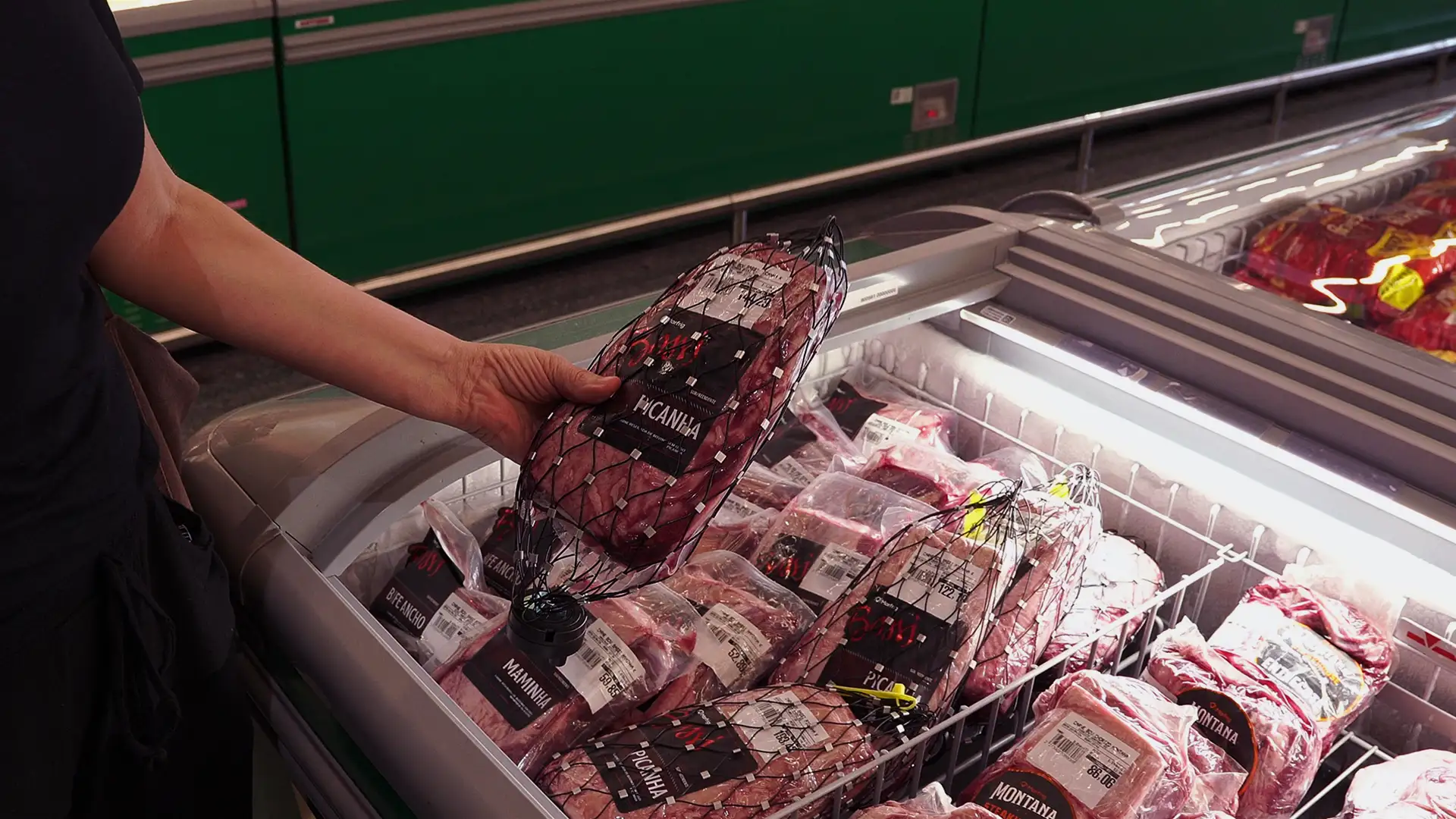
In supermarkets which, as noted, have theft as their main loss indicator, the primary items include premium cuts of meat, olive oil, coffee, chocolates, beverages, razor blades, and deodorants.
In the pharmaceutical retail sector, dermocosmetics, perfumes, and imported vitamins top the list.
In fashion and apparel, athletic sneakers, official soccer jerseys, and branded accessories require special attention.
Finally, in home center stores, electrical wires, faucets, and high-value hardware are often preferred targets.
Why do HRP items require special attention in retail?
The loss of high-risk products has a direct impact on operational results. Because they are high-value items, each stolen unit represents a significant financial loss.
In addition, restocking these products is often more expensive and slower, compromising assortment and the customer experience.
In short, when not properly controlled, these thefts reduce profit margins and make inventory forecasting more difficult.
How to protect high-risk products in-store?
Managing high-risk products requires smart prevention measures that combine training, well-coordinated processes, and technological support.
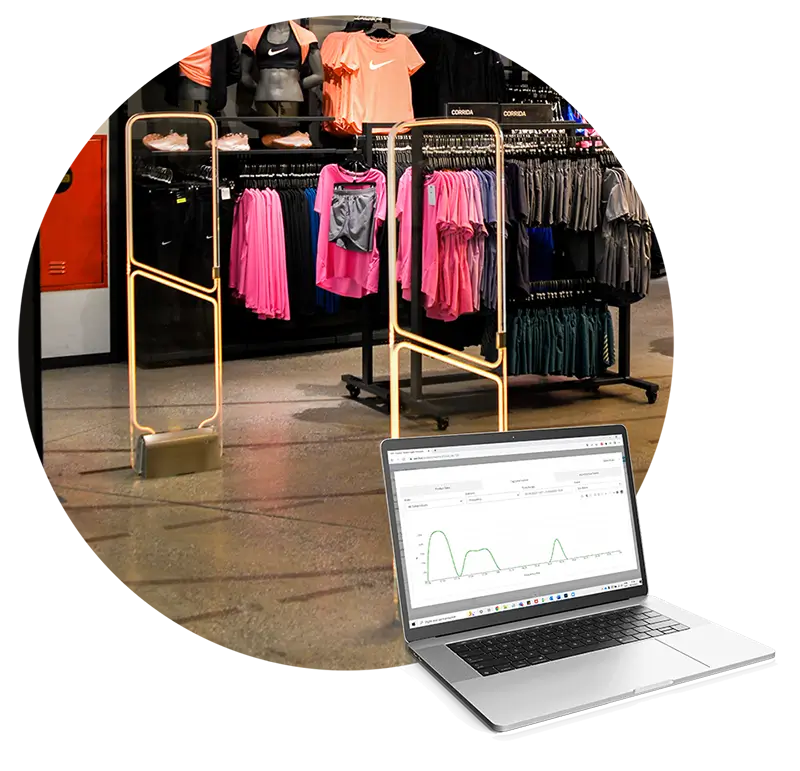
Innovations such as various models of electronic article surveillance (EAS) tags, the intelligent anti-theft system EASi, and monitoring cameras are essential tools.
EAS protective tags, for example, play a key role in retail theft prevention. They are applied to high-risk products specifically to deter theft and other violations.
These tags work in conjunction with anti-theft sensors (antennas) installed at store entrances and exits.
CCTV systems, in turn, enable continuous monitoring and the activation of intelligent control centers, supporting more agile and efficient security management in retail environments. When combined with technologies such as facial recognition, these systems significantly expand their analytical and response capabilities, making monitoring more proactive and precise.
Inwave offers all these solutions to support retailers in controlling high-risk products and efficiently reducing losses.
Conclusion: the importance of managing HRP products
As we’ve seen, loss prevention in modern retail necessarily involves the monitoring and strategic management of high-risk product security.
Identifying, protecting, and controlling these items is essential to maintaining margins, ensuring replenishment, and delivering a consistent shopping experience.
Technology becomes a fundamental ally on this journey, enabling greater visibility and smarter decision-making.
Protect your profits with Inwave!